

20 Listen to advice and accept discipline,
and at the end you will be counted among the wise.
21 Many are the plans in a person’s heart,
but it is the LORD’s purpose that prevails.
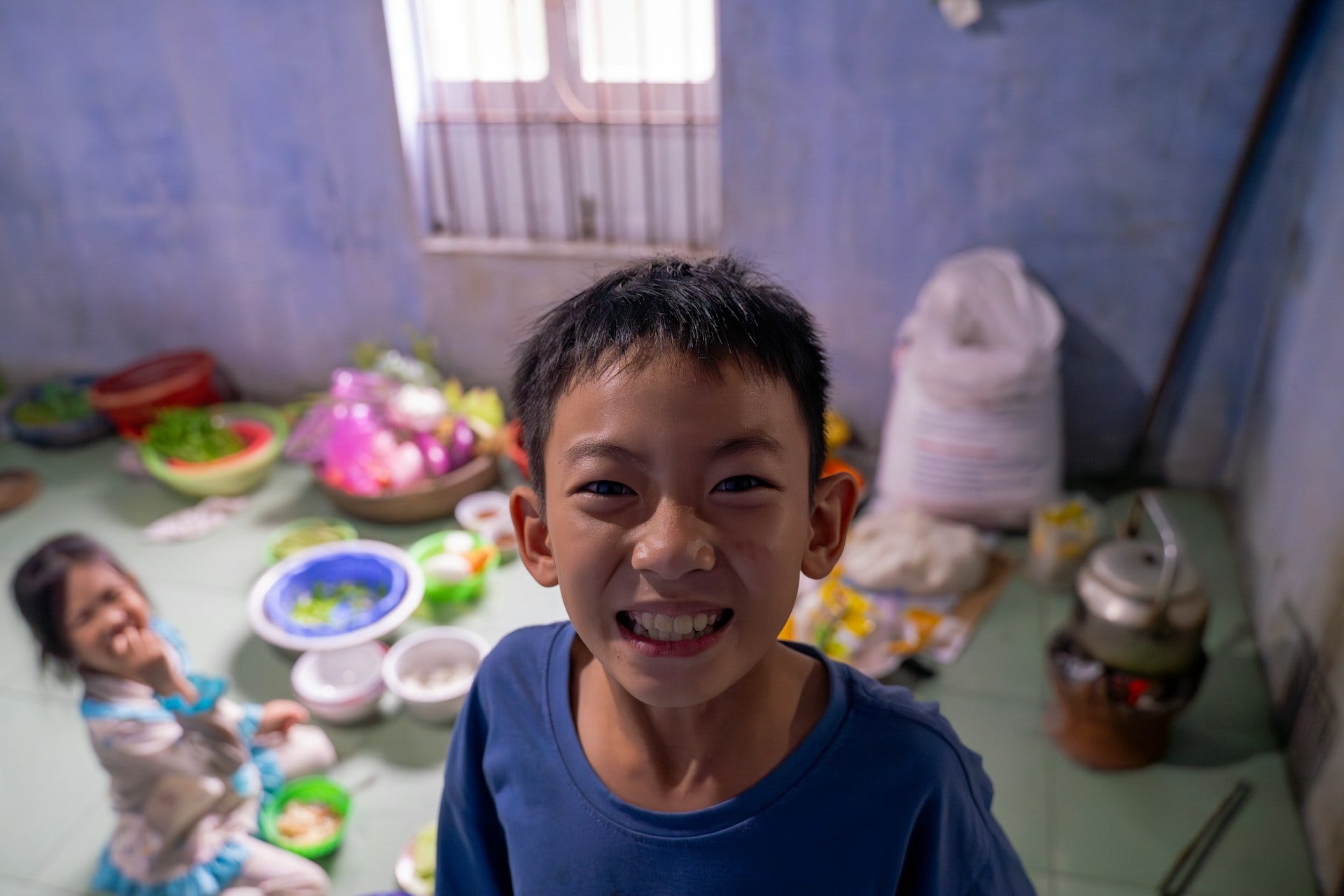
“Blessed are the poor in spirit!” Jesus’ Sermon on the Mount begins with the Beatitudes. This invitation is for everyone. I shared it with residents of Rio de Janeiro’s favelas and Salvador da Bahia’s muddy peninsula, and offer it to rich and poor alike. The Church in the Philippines and elsewhere must embrace and practice this message. Any Church seeking to serve the poor must accept this challenge, grasp its depth, and live its truth.
In Tondo and across this land, many live in poverty. Among them are the poor in spirit Jesus called blessed: they trust God, welcome life as his gift, and share with those in need. Grateful to the Creator and compassionate toward others, they cherish their families and open their homes and tables to hungry children and homeless youth. Rich in kindness and other virtues, they stay close to God, listening for his voice and singing his praises.
Being poor in spirit doesn’t mean ignoring community problems. Those facing injustice often have a keen sense of fairness. Their lives and solidarity remind society, especially those with economic, cultural, or political power, that we share responsibility for justice. The first Beatitude offers everyone both a truth and a path.
It affirms that people living in material poverty deserve dignity and respect for their inviolable human rights. By combining their skills and talents, they can achieve much, especially when empowered to shape their own progress and development.
The first Beatitude reminds the rich—those enjoying material well-being or possessing a disproportionate share of goods—that greatness lies not in what they own, but in who they are; not in what they have, but in what they share. They are poor in spirit when they keep their hearts open and respond to the intolerable conditions that perpetuate poverty: hunger and denied opportunities to develop human potential; inadequate housing, clothing, and health care; and despair caused by unemployment that prevents people from honestly supporting their families.
Poor in spirit is the rich person who cannot rest while others suffer injustice and powerlessness. It is also the political leader who uses power solely for the common good, unites society, and upholds the God-given dignity and equality of every person.
Excerpted from the words of His Holiness, Saint Pope John Paul II
Address of His Holiness John Paul II, To the Poor People of the District of Tondo
Manila, Wednesday – 18 February 1981
Read the Vatican text
If these reflections have resonated with you, you are welcome to support this work as a Friend of The Evangelical Pope, helping us continue sharing them.